Regular physical activity ensures strong health and helps manage some of the symptoms of pregnancy. If there are no complications during pregnancy, then it should be possible to exercise during most of the pregnancy.
Pregnancy can slightly undermine your energy, but regular physical exercise will help a woman feel in this difficult period vigorous, healthy and lead an active lifestyle.
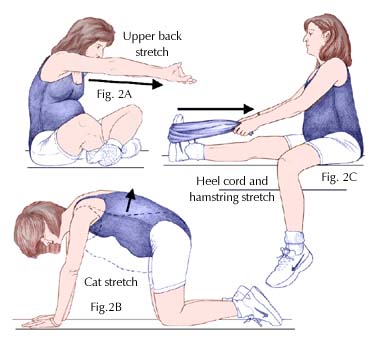
A few basic exercises will help increase the strength and flexibility of your body. If you have limited time, exercise is recommended to be done about ten minutes a day. Consult a qualified instructor if you are not sure that you are doing the exercises correctly.
To strengthen the muscles, you need to do exercises on the upper stretch of the back, strengthening the muscles of the abdomen, pelvis. Strengthening the back muscles helps control pain in the back and tension when the stomach grows.
Muscles of the pelvic floor are of great importance before, during and after pregnancy. These muscles weaken during pregnancy and during labor, so it is very important to begin conditioning the pelvic floor muscles from the very beginning of pregnancy. Appropriate exercises can be prescribed by a physiotherapist.
Exercises Kegel increase the tone of the lnnococcygeal muscle. This muscle is used to start and stop the flow of urine. Their strengthening helps to prevent hemorrhoids, supports your growing baby, helps during and after childbirth, keeps your vaginal muscles toned.
During pregnancy, you can make long walks and swim, but before doing any physical activities, consult a gynecologist.
Benefits of physical activity for pregnant women
Exercise during pregnancy has many physical and emotional benefits. Physical activity helps control some symptoms of pregnancy and every pregnant woman will feel better knowing that she is doing something good for herself and her child. Regular exercise during pregnancy significantly improves a woman's health, helps to survive stressful situations (if they happen), enrich her with positive energy.
Exercise during pregnancy improves sleep. Thanks to physical training, a woman quickly restores herself after childbirth and copes with the physical stresses of motherhood without problems.
General recommendations for exercise in pregnant women
Since the period of each pregnancy is individual, before starting exercise, be sure to consult with a gynecologist about the possibility of their implementation. In general, healthy women who have a pregnancy without complications can safely perform various physical exercises that do not pose a threat to the health of the future mother and her child. Pregnant women are encouraged to exercise moderate physical activity daily for 30 minutes (but not overexert). Do not more than three times a week vigorous exercise in the third trimester. Let your body be your guide. Monitor the intensity of the exercises, do it in a measured and not straining way.
General Precautions
While most types of exercise are safe, there are exercises characterized by positions and movements that can be uncomfortable or harmful to pregnant women. Follow the recommendations of your doctor or physiotherapist.
A pregnant woman should protect herself from overheating in the sun, reduce the level of physical activity on hot and humid days. Do not exercise until exhaustion, avoid weight training and lifting weights. Do not exercise if you have fever or you feel a slight cold trouble. It is important to listen to your body to avoid unforeseen and unnecessary situations that can have a negative impact on the health of a pregnant woman.