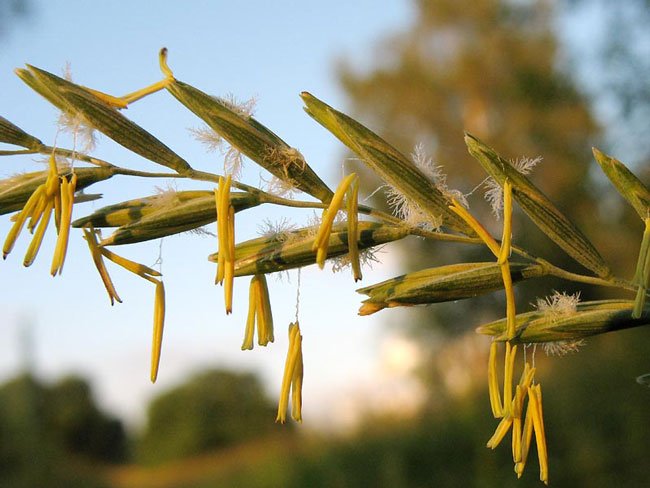
But in addition to the harmfulness of the garden, wheatgrass can bring and benefit, as it is actively used in folk medicine. To meet this plant is fairly easy in all countries of the Northern Hemisphere, which are in a zone with a temperate climate.
Scientists managed to establish that the roots of plants can strengthen sandy beaches, and breeders even created a hybrid with wheat. But in this article we will talk about the useful medicinal properties of this plant.
Beneficial features
- The roots of the weed are of key importance, since they contain a lot of useful substances (fatty oils, organic acids and vitamins).
- Most common wheatgrass is used to treat diseases of the urinary tract (cystitis, nephritis, urolithiasis). He is able to relieve inflammation and pain.
- Tinctures based on the plant well relieve swelling, including on the internal organs, help alleviate pain with gout and arthritis.
- From the diseases of the respiratory tract, wheatgrass is used as an expectorant to help cure bronchitis, tuberculosis or pneumonia.
- Clearses with decoction of herbs are used to treat hemorrhoids.
- Not very strong broth can calm nerves and overcome insomnia.
Rules of workpieces
As we have already said, folk medicine uses the roots of a plant. Collect them at the end of summer or early autumn. Before drying, they must be cleaned of the remnants of the earth, leaves and other unnecessary parts of the plant.
It is best to cook dried roots in the oven at low temperature. You can store such raw materials for up to three years.
Recipes of traditional medicine
Here are some recipes for drugs with a completely different but effective effect.
- Laxative and diuretic: take the dried roots and pour hot water in a ratio of 1:10, bring to a boil and cook on a small fire for just a few minutes. You need to drink two tablespoons three times a day.
- Arthritis, gout, osteochondrosis: two tablespoons of roots are poured with 500 grams of boiling water and leave to insist on all night. Then the liquid must be filtered, divided into three equal parts and drunk before each meal.
- Stones in the urinary and gallbladder: from fresh grass, squeeze out juice and drink three times a day for two weeks. Sometimes the course of treatment is prolonged to twenty days.
- Diseases of the gastrointestinal tract: in a liter of boiling water pour out 60 grams of dry roots and simmer for five minutes, then insist an hour and drink a filtered broth for a hundred grams three times a day.
- Strong uterine bleeding, menstruation: 120 grams of roots pour a liter of hot water and cook, as in the previous case. We use also. This remedy is also used for enemas to get rid of constipation and hemorrhoids.
At the moment there were no cases of overdose or special contraindications to the use of medicines from wheatgrass. But specialists in traditional medicine warn that if after taking the drug there was diarrhea, nausea or general weakness, treatment should be stopped immediately.