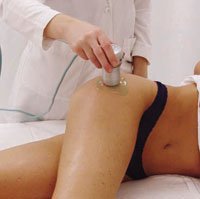
More about physiotherapy
Physiotherapy is an area of medicine that studies the therapeutic effect on the human body of artificially created and natural physical factors. By the way, physiotherapy is one of the oldest preventive and curative directions of medicine. It includes: treatment with laser therapy, myostimulation, heat radiation, ultraviolet rays, current effects and other methods. The task of physiotherapy is to achieve the best effect in the treatment of diseases with the least strain on the patient's organs. In some cases, physiotherapy methods successfully replace drug therapy, dietary nutrition, curative gymnastics and even surgery.
In gynecology, as in other areas of medicine, physiotherapy can be both an additional method of treatment, and the main one. And with some diseases - the only way to heal. For example, with chronic pelvic pain due to the adhesion process or neuralgia of the pelvic nerves, when drug treatments are generally unable to cure the disease. Treatment of the disease in certain diseases is complicated just by the lack of blood circulation, and few drugs can solve such a problem. But the physiotherapy for inflammatory diseases of female genital organs is aimed at this.
In addition, physiotherapy helps to reduce the postoperative period, prevents the formation of adhesions, helps restore the damaged mucous uterus (endometrium). The undoubted advantage of physiotherapy is the absence of side effects and a reduction in the drug load. And sometimes even a refusal of drugs. Physiotherapy, like any other treatment, is selected strictly individually.
Objectives of physiotherapeutic treatment:
• Pain relief,
• withdrawal of spasms,
• Improve blood circulation,
• reduction of the time required for tissue repair,
• normalization of hormonal metabolism,
• Reduction of inflammation,
• Stabilization of the autonomic nervous system,
• Increased immunity.
The effectiveness of physiotherapy is based on the fact that the physical (electrical, radiation, magnetic) energy absorbed by the tissues of the body is transformed into appropriate biological reactions. Of course, the result of treatment depends on the specific methods, single dose and total number of procedures received. The most optimal therapeutic effect comes from carrying out a complex of procedures, rather than a single exposure.
When physiotherapy is prescribed:
• subacute and chronic diseases of the pelvic organs (chronic inflammation of the uterine appendages);
• infertility due to obstruction of the fallopian tubes;
• postoperative rehabilitation for scraping the uterine cavity, spontaneous abortion, after abortion, after restoring tubal permeability;
• Preparing women for pregnancy, who have had frozen pregnancies and miscarriages;
• Before the IVF program, it is necessary to prepare the uterine mucosa (physiotherapy greatly improves IVF effectiveness).
What are the methods of treatment?
Which method to assign depends on many factors. From the diagnosis, age, the presence of contraindications to various physical factors, hormonal background, from individual tolerability of procedures. And also in some cases from previously transferred diseases. Today in gynecology the following methods are used:
• Magnetotherapy (has anti-inflammatory effect);
• Electrotherapy (electrophoresis, electrostimulation and others). For example, it effectively removes spasms of smooth muscles and vessels by impulse currents. This procedure improves blood supply to tissues and acts as an anesthetic;
• ultrasound therapy (improves blood supply to organs and tissues, softens adhesions, provides an analgesic effect, increases hormonal activity of the ovaries);
• Phototherapy and light therapy (use of UV, infrared rays) - have a bactericidal effect;
• Laser therapy.
Physiotherapy and Pregnancy
It is dangerous for a future mother to take many medications, because they affect not only her body, but also the baby's body. Therefore, during pregnancy, the use of physiotherapy is very actual. And although you can not do without medications, physiotherapy allows you to achieve a positive effect with lower doses of drugs. Thus reducing the adverse effects on the fetus.
Physiotherapy is used quite effectively for early toxicosis, with the threat of abortion (to reduce the tone of the uterus). Physiotherapy is also needed in the postpartum period. It promotes the healing of seams after caesarean section or sutures on the perineum, is used to treat nipple cracks and prevent mastitis, helps with lactostasis, facilitating the escape of milk. And darsonvalization is a good remedy for postpartum hemorrhoids.
Contraindications
Physiotherapy with inflammatory diseases of female genitalia has its own contraindications. True, there are not many of them. Common contraindications are oncological diseases, mental disorders, as well as uterine bleeding. But such methods as, for example, warming up, are not recommended for endometriosis, tumors of the uterus. Although today there are non-thermal factors that can and should be used in endometriosis, myomia and other problems in which overheating is prohibited.