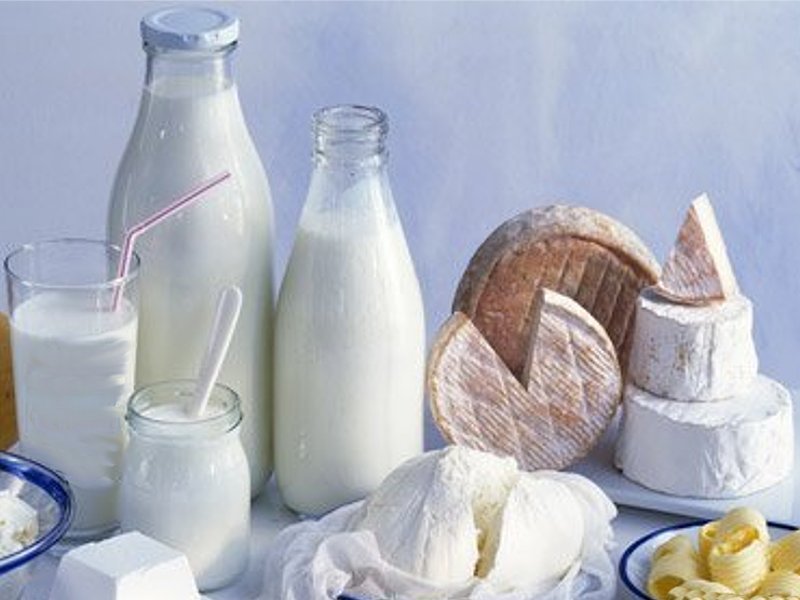
It should be remembered that the assimilation of calcium - the process is very complex and depends on many factors. So, what to do - including what you need to eat, so that calcium is absorbed?
Calcium absorption occurs in the small intestine, and to optimize this process, it is necessary that the cells of the intestinal epithelium work normally. In the assimilation of calcium, some hormones - parathyroid, growth hormone, calcitonin produced by the thyroid gland, sex hormones - estrogen in women, testosterone in men participate. And the content of these hormones should also be sufficient and balanced.
In order to correctly incorporate calcium into bone tissue, a number of trace elements are needed, and a sufficient amount of vitamins, especially D and K. It should be noted that vitamin D is needed in its active form - it goes into this form in the liver and kidneys, therefore, the pathology of these organs, as well as disturbances in the operation of the pancreas and thyroid gland, as well as stresses and even hypodynamia in a state indirectly interfere with the successful assimilation of calcium.
The acidity of the gastric juice also affects this process: at a low acidity observed in people in old age or with diseases of the gastrointestinal tract, calcium absorption deteriorates. This phenomenon can cause large doses of drugs that reduce the acidity of gastric juice that relieve heartburn, used in the treatment of stomach and duodenal ulcers. There is a known depressing effect on the absorption of calcium in the intestines of drugs and other groups: laxatives, diuretics, anticonvulsant drugs, as well as hormones of the adrenal cortex, thyroidin and steroid hormones.
Prevent the absorption of calcium is also a low protein content in food - therefore vegetarianism increases the risk of calcium deficiency. The same effect gives and inclusion in the diet of excess of simple sugars and carbohydrates in general - this causes a decrease in the pH of the blood and promotes the "washing away" of calcium from the bones. Accelerates the withdrawal of calcium from the body of coffee and parsley; food with high fat content simply prevents absorption of calcium, so that if there is a lack of calcium in the body, neither one nor the other should be abused.
And now about the products-assistants. Recorders in the content of calcium consider sesame and poppy - there is 10-12 times more of this mineral than even cow's milk, a traditional source of calcium. From vegetables, broccoli and other cabbage, spinach, turnip (even its leaves), asparagus, parsley greens are the leaders in the content of calcium. Contain calcium beans and lentils, figs, various nuts, celery, garlic, gooseberries, currants, cherries and even strawberries - that's what you need to eat to get calcium. In this case, remember that the same sorrel and spinach slow down the absorption of calcium due to the formation of insoluble salts.
In general, in foodstuffs, calcium is often present in the form of compounds with reduced solubility in water. With this, the bile acids produced by the liver of a person cope. That is why liver health is important in the assimilation of calcium.
To ensure the normal operation of the heart in the blood plasma, one calcium ion should have potassium - two ions, phosphorus with food to enter 1.5 times more, the ratio of calcium and magnesium - to be at the level of 1: 0.5. Other relationships - above all, and excess, and the lack of magnesium and phosphorus - the absorption of calcium inhibits. So it is recommended to use separately foods containing calcium (and calcium preparations), and cocoa, as well as soy, bran, brewer's yeast: for example, phytic acid contained in bran, interacting with calcium, forms salts that are excreted from the body without absorption in the intestine .
But what exactly will help:
Sunlight, under the influence of which the skin synthesizes vitamin D, which is involved in the assimilation of calcium.
Vitamins - primarily A, C, E and B vitamins. Vitamin B6 in combination with magnesium prevents the formation of kidney stones and cholelithiasis, even in the case of an elevated level of calcium in the blood, increasing the risk of stones. Silicon binds to the consolidation of bones, and selenium "directs" calcium to the cells of bone tissue. The same silicon in combination with copper, manganese, zinc and vitamins C and E promote calcium in maintaining the youthful skin and the formation of hair, nails, cartilaginous and bone tissue
Normalization of acidity of gastric juice, especially in old age. Eat foods containing vegetable acids.
Iron optimizes the absorption of calcium.
Several unconventional sources of vitamin D - reduce hands washing to a minimum and use the minimum amount of soap - of course, without going beyond hygiene and common sense. Vitamin D is found in the secretory secretions of the skin itself, and the synthesis of this vitamin is stimulated in the process of body massage, which also provides the skin with youth and health.
By providing the body with vitamin D, pay attention to the work of the kidneys - in them, vitamin D itself is converted into a substance that provides transportation of calcium in the small intestine.
Support the health of the mucous membrane of the small intestine will help food with sufficient content of carotene. The regenerated mucosa is not able to assimilate calcium efficiently!
The substances involved in the process of assimilation of calcium are contained in carrots and potatoes, blueberries, gooseberries, dogrose, black currants. Along with them, regularly replenish the body with vitamins, using herbal teas and medicinal herbs. Omega-3 fatty acids also have a positive effect - they are contained, for example, in linseed oil.
Saturate the body with oxygen and a moderate amount of easily digestible carbohydrates, because the transfer of calcium through the wall of the intestine into the body is associated with significant energy costs.