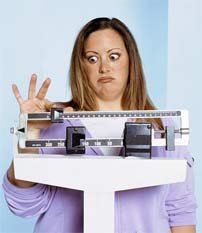
Causes of obesity
Obesity can be both an independent pathology and a sign of a group of diseases having different causes, including those for which it is a leading symptom, such as Prader-Willi syndrome and Barde-Biddle syndrome. In some people obesity develops against the background of endocrine diseases, but they constitute only a small percentage of those suffering from this condition. This obesity is usually accompanied by other symptoms that can be recognized and successfully controlled, such as hypothyroidism and Cushing's syndrome. In other cases, endocrine disorders occur as a result of obesity: they can be eliminated by reducing weight. It should be remembered that in these and many other cases, excess weight is a consequence of prolonged consumption of a large number of calories, exceeding the individual energy needs of the body. Among the causes of imbalance, there are many factors, including specific genes, which contain information on the metabolic predisposition, as well as behavioral features and environmental conditions. The combination of these factors or each of them individually determines the amount of calories consumed and / or their consumption, and hence the individual predisposition of people to obesity. Understanding the causes of obesity helps to choose rational treatment tactics.
For the diagnosis of obesity, an indicator known as the body mass index (BMI) is used. It is calculated as the ratio of weight in kilograms to the square of growth in meters. The BMI value exceeding 25 kg / m2 indicates the presence of excess weight, and with a BMI exceeding 30 kg / m2, obesity is diagnosed. However, this does not take into account the level of sports training, so if you use only BMI to diagnose obesity, people with well-developed muscles can be mistakenly diagnosed. There are more accurate ways to diagnose obesity, based on measuring body fat, but their use is limited to hospitals and research centers. On the other hand, a simple measurement of the circumference of the waist allows one to estimate the amount of adipose tissue on the abdomen and assess the health risk associated with obesity:
• Increased risk. Men: - 94 cm Women: - 80 cm.
• High risk. Men: - 102 cm Women: - 88 cm.
The likelihood of premature death for fat people in comparison with lean increases by 2-3 times. In addition, obesity is closely associated with a number of other diseases that can be divided into three groups: metabolic disorders, pathology of the musculoskeletal system and changes in mental state.
Complications
The development of diseases such as diabetes, hyperlipidemia and hypertension is directly associated with overweight, especially if the fat tissue is localized on the stomach. A particular danger to health is that obesity increases the likelihood of developing insulin-dependent diabetes. The risk of developing this disease in men with a BMI exceeding 30 kg / m2 increases approximately 13-fold compared to those with this figure of 22 kg / m2. For women with the same indicators, it increases by 20 times. Diseases such as stroke, cholelithiasis, certain cancers (breast and colon cancer), as well as disorders of the reproductive system, such as polycystic ovary syndrome and infertility, are also more common in fat people.
Decreased quality of life
Diseases of the musculoskeletal system, such as osteoarthritis and chronic low back pain, as well as shortness of breath, rarely threaten the patient's life, but lead to an involuntary restriction of physical activity, impaired ability to work and a deterioration in the quality of life. In addition, full people in sleep often experience apnea (transient respiratory arrest).
Effect of obesity on the psyche
Obesity leads to a change in the mental state of a person: in itself, it does not cause psychological problems, but social prejudices associated with overweight can lead to the development of depression and a decrease in the self-esteem of fat people, especially those who suffer from extreme obesity. In some cases this contributes to further weight gain and changes in mental state. Obesity is a serious pathology that significantly increases the load on the body. Effective treatment of patients suffering from obesity, significantly improves their health. The positive effect of therapy for each patient individually depends on the initial body weight, overall health, the number of pounds dropped and the type of treatment. Most patients who successfully lose weight and support it at a certain level, note an improvement in physical and mental state. However, there is only a small amount of data suggesting that short-term weight loss, after which the patient regains extra pounds, improves health. On the contrary, alternation of periods of weight loss and subsequent increase in patients can be regarded as a failure and lose self-esteem.
The basis of all methods of weight loss is to reduce the number of calories consumed. Treatment can be lengthy, so patients who are obese need psychological support and doctor's advice on changing the diet and lifestyle. Weight loss is quite a difficult task. A positive effect can be achieved only if for a long time the consumption of calories exceeds their consumption. Most people gain weight for many years, so the process of reducing it can not be fast. The diurnal calorie deficit of 500 kcal, recommended by most nutritionists, allows you to lose weight at a rate of 0.5 kg per week. Thus, it takes a year to drop 23 kg. It should be borne in mind that the numerous "diet for weight loss" are often useless, since periods of fasting during their use often alternate with periods of habitual overeating, which negates the results achieved. The goal of treatment is to change the established and to acquire and reinforce new habits and behaviors in relation to food and physical activity.
Objectives
Many people achieve good results if they set several short-term goals for themselves. Although weight loss during the first two weeks of dieting can occur more rapidly, it is realistic to focus on getting rid of 1 kg per week. For most people, it is quite an achievable benchmark to reduce weight by 5-10% of the initial body weight. It is also useful to set goals not only in terms of weight loss. Concentration on regression of symptoms such as dyspnoea when climbing stairs, or attaining individual goals (for example, dieting or exercising) can serve as a stimulus, especially when the weight loss process is slow. All methods of treating obesity are based on reducing the amount of calories consumed. Given that fat people consume more energy than lean ones, it makes no sense to reduce the calorie intake below 1200 kcal for women and 1500 for men. To stick to such a diet for a long time is quite difficult. The most optimal way to reduce the caloric content of food is to reduce the fat content, which allows you to keep the amount of food consumed. Portions can be reduced using plates smaller than usual size.
Long-term changes
Long-term rejection of the usual diet is difficult to tolerate, so patients need psychological support and practical advice on the choice of new products and methods for their preparation, as well as eating out. Over the years, we have become accustomed to a particular culture of nutrition and way of life. Many obesity treatment programs include a change in established habits, which aims to identify misconceptions about dietary norms or physical activity and replace them with those needed for weight control. For example, a lack of food in the field of vision contributes to a decrease in appetite, and an increase in the level of physical activity is a walk to work. To lose weight with the help of some physical exercises is quite difficult. However, they serve as an excellent addition to the diet, since they prevent the loss of non-fatty tissues while simultaneously maximizing the reduction in body fat. Physical stress also reduces the slowing of metabolism, which is usually accompanied by a weight loss process, and helps burn extra calories. The available data indicate that people who are constantly engaged in sports are more likely not to gain weight once dropped than those who are not engaged in sports. Physical exercises also promote the training of the cardiovascular system and reduce the risk of developing diabetes. The prospect of doing physical exercises for many overweight people looks frightening. However, even moderate loads can be of great use. Sometimes to increase physical activity, you just need to start spending less time sitting on the couch. Recently, interest in the development of pharmacological methods for the treatment of obesity is gradually increasing. It should, however, be borne in mind that drug treatment only supports or enhances the effects of voluntary modification of established habits and does not exclude the need for diet and lifestyle changes.
Currently, the drug orlistat is most often used to treat obesity. This medicine is used only in cases when the diagnosis of "obesity" was put by a doctor, and the patient is under his supervision. The principle of the drug is based on blocking the cleavage and absorption of fats coming from food; while 30% of these fats are excreted with feces. Patients with an extreme degree of obesity and a high risk for health are shown surgical treatment, whose goal is to create a mechanical obstacle to the nutrients entering the body with food. To varieties of surgical treatment of obesity include resection of the stomach and intestinal bypass, which lead to a decrease in the amount of food consumed or a decrease in the absorption of nutrients in the small intestine. Surgical treatment is carried out only for medical reasons. Do not underestimate the negative effects of this type of treatment: such interventions are suitable only for a small number of patients receiving treatment in specialized centers. The number of people suffering from obesity is constantly increasing, but this disease can be cured or prevented its development. Reducing the fat content and increasing the amount of fruits and vegetables in the diet contributes to reducing the risk of obesity, as well as related diseases. In addition, the maintenance of good health and effective weight control is facilitated by physical activity.