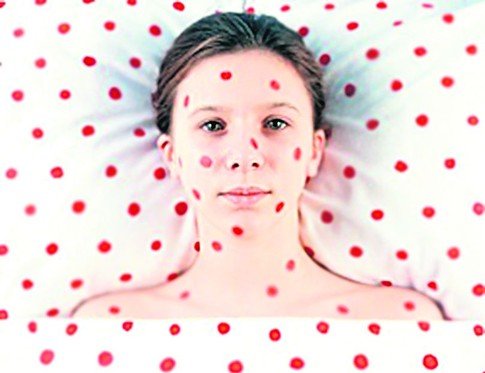
Symptoms of psoriasis.
The disease, which is chronic, in which a lot of papular (towering above the skin) scaly rashes appear on the skin, is called psoriasis. The reasons for its appearance have not been fully studied so far. There are a number of theories of the origin of psoriasis: hereditary, immune, metabolic, infectious, neurogenic. But it is more likely that this disease arises from a combination of causes and disposable factors. At the same time, there are observed changes and disturbances in the work of all systems and organs, and not only the skin.
Violated, above all, the metabolism, the concentration of vitamins and trace elements that participate in oxidation-reduction processes, protein metabolism, the biosynthetic function of the liver (the ability to form substances necessary for metabolic processes). Changes occurring during fat metabolism stimulate the keratinization of the skin, i.e., peeling.
The disease lasts for a long time, it is difficult to cure. The sudden appearance of a large number of rashes on the extensor surfaces of the limbs is the beginning of psoriasis. Then spread rashes and throughout the body. Some rashes appear, others gradually disappear. In some cases, the joints are included in the process.
Nutrition for psoriasis.
All specialists agree that the patient with psoriasis must comply with proper nutrition. But there is no exact diet for the treatment of this disease. Therapeutic diet should be made individually, given the intolerance of certain products.
General recommendations for dietary nutrition in psoriasis:
- It is not recommended to eat foods that irritate the skin (all sour, spicy and salty, onion, garlic, horseradish, radish, radish, mustard, spices, alcohol, strong tea, coffee).
- In the list not recommended - products that cause allergies (all fruits are orange-red, eggs, nuts, chocolate, citrus, honey).
- Since psoriasis often disrupts fat metabolism, fatty meat and fish, fish caviar, offal (liver, kidney), fat - are not recommended either.
- Manifestations of psoriasis are worse in all digestive disorders. Easily assimilated carbohydrates (sweet and sweet) contribute to the formation of a large number of gases in the intestine, which leads to a change in the activity of the organs of the gastrointestinal tract and causes digestive disturbances.
It is necessary to reconsider the intake of all these products: it is required to limit their quantity or completely exclude from the diet. On some "harmful" products in patients instant reaction in the form of new rashes on the skin, while other products from this list can easily tolerate patients - all individually.
In the period of exacerbation from the menu it is necessary to exclude rich meat and fish broths, soups should be better cooked with broth from vegetables and cereals. You need to eat more fruits and berries, fresh vegetables; dishes from low-fat varieties of beef, rabbit and fish (preferably river) should be eaten in boiled or stewed. During this period porridges on the water (buckwheat, oatmeal), compotes, weak tea, fresh juices are well suited.
Dr. Pegano created the following diet for psoriasis.
American doctor John Pegano developed a diet that has not found official recognition in medicine, but attracts many today. In psoriasis, the body needs, according to D. Pegano, additional alkalization with food. Products, in turn, he divided into generators of alkali (should make up about 70% in the diet) and forming acids (the remaining 30%).
Fruits and berries (except cranberries, plums, prunes, currants, blueberries); vegetables (except Brussels sprouts, legumes, pumpkins, etc.); fresh vegetable and fruit juices (grape, apricot, pear, carrot, beetroot, lemon, orange, grapefruit) belong to alkali-forming products. Apples, melons and bananas are recommended to eat separately from other foods to increase the alkalinity of food, along with cereals and dairy products do not eat citrus fruits and their juices. It is necessary to remove potatoes, tomatoes, sweet peppers and eggplants from the diet. It is recommended to drink weakly mineralized water without gas (for example, Smirnovskaya), and in addition to other liquids, drink up to 1.5 liters of plain drinking water daily.
Meat, fish, fats, oils, potatoes, dairy products, digestible carbohydrates, cereals, legumes - are referred to acid-forming products. It is recommended to exclude vinegar, canned foods, alcohol to reduce acidity in the body.
Avoid stress and lead a lively lifestyle, never overeat - also recommended by D. Pegano.
Treatment of psoriasis (including, with the help of proper nutrition) should be fully consistent with the attending physician, since this is a chronic, long-lasting disease.